Worried It’s a Blown Head Gasket? Start Here.
Our Symptoms & Repair Guide is designed to give power back to you, the customer — putting knowledge directly into your hands. By clearly explaining the most common signs of head gasket failure and offering practical, step-by-step tips to investigate the issue yourself, we help you avoid costly guesswork and misdiagnosis. Whether you’re seeing bubbling in the expansion tank, unexplained coolant loss, or engine overheating, this guide helps you understand what’s really going on — and whether Thermalweld is the right solution. It’s about confidence, clarity, and saving money by making smarter decisions.
We understand that not everyone is a mechanic — and you shouldn’t need to be. That’s why this guide breaks down complex automotive symptoms into easy-to-understand explanations, supported by clear visuals and expert-backed insights. Each symptom not only shows you what to look for, but also explains why it happens and how to test it properly before jumping to conclusions. Our aim is to reduce uncertainty, avoid unnecessary garage bills, and ensure you only use Thermalweld when it’s genuinely needed — and most likely to succeed. With this knowledge, you’re in control of your repair, your wallet, and your vehicle’s future.
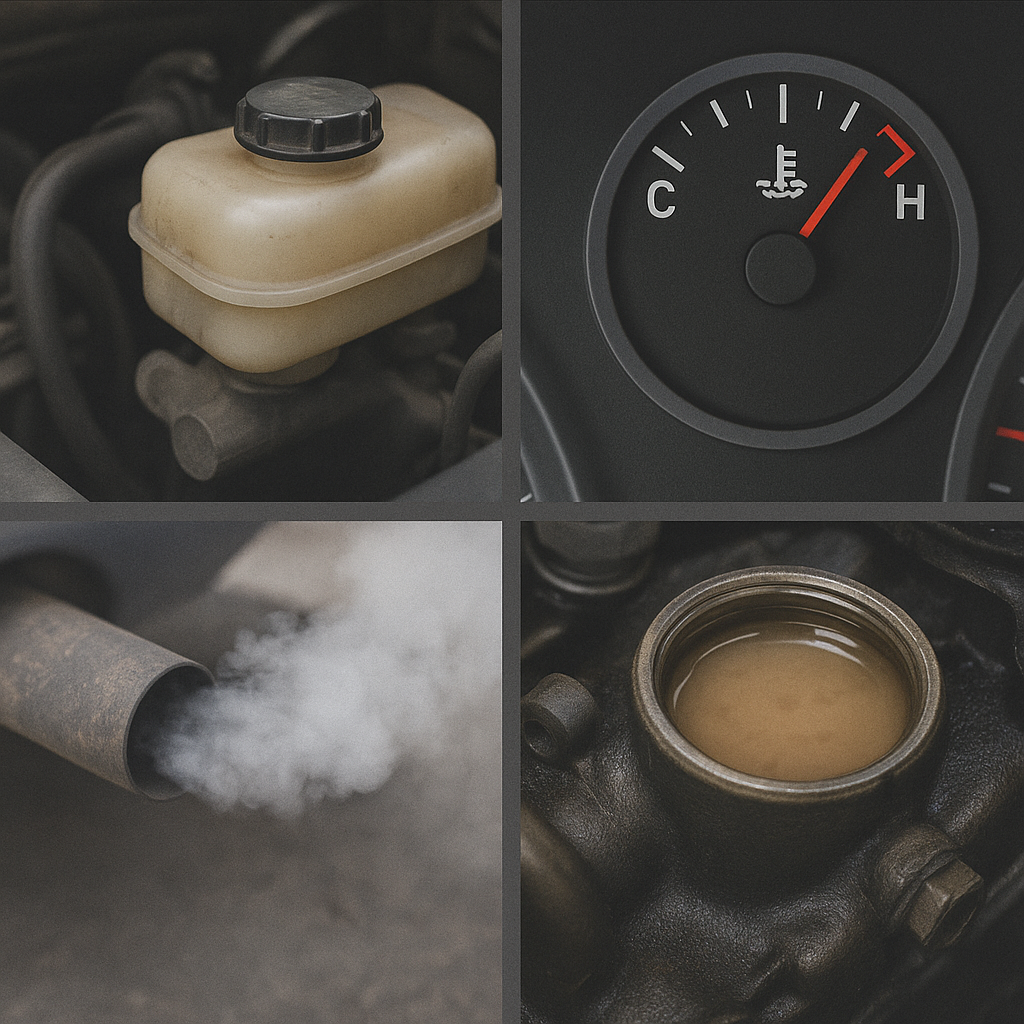
Click image to find out about your symptom
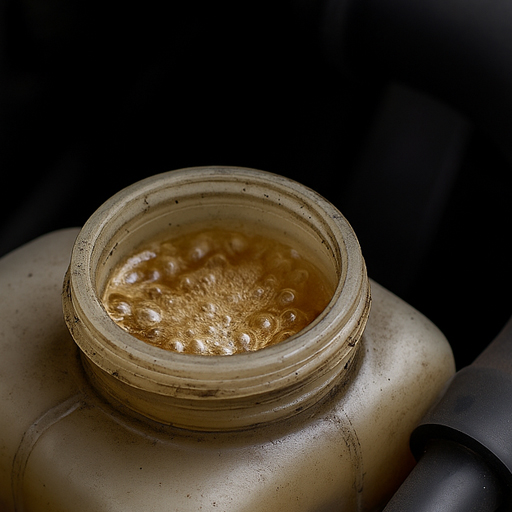
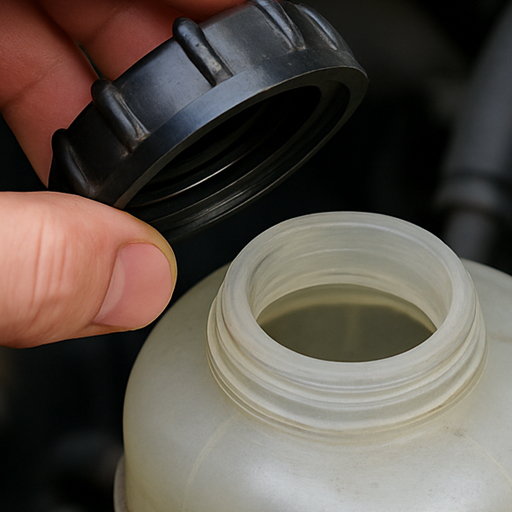
Bubbling in the Expansion Tank
You open the bonnet after driving or idling, and see bubbles rising through the antifreeze in the expansion tank — sometimes accompanied by a boiling sound or light frothing.
Possible Causes
– Combustion gases entering the cooling system (blown head gasket, cracked head, or block)
– Air in the system after applying Thermalweld
– Stuck thermostat or circulation fault causing localised boiling
– Leaking cylinder pressurising coolant
Diagnostic Steps
– Use the Thermalweld Combustion Leak Test Kit. If the indicator fluid changes from blue to yellow, combustion gases are present.
– Check if the heater blows hot. If it doesn’t, coolant may not be circulating, or airlocks are present.
– Look for steam or pressure release from the expansion tank cap (a sign of overpressurisation).
– Watch for bubbling immediately after cold start — if present, combustion gas is likely the cause.
How Thermalweld Helps
Thermalweld is formulated to seal leaks under pressure and heat, exactly like those causing bubbling. If combustion gases are confirmed and the system can circulate properly, Thermalweld has a very high success rate on this symptom.
When to Apply the Second Thermalweld Treatment
– If bubbling is reduced but still visible after first treatment
– If symptoms return after driving
– Only after full diagnostic support review
→ Do not use second half automatically without assessing circulation and heat
When to Contact Tech Support
– Bubbling continues immediately after idle cycle
– Heater doesn’t blow hot
– Coolant is foamy or milky
– Pressure builds up too fast to idle safely
→ Support can advise flushing, pressure testing, or confirm if a second treatment is appropriate
Antifreeze Loss With No Visible Leak
The antifreeze level drops over time, but you don’t see any puddles or drips under the car. You may need to top up frequently, or notice a low reservoir after driving.
Possible Causes
– Internal leak into the combustion chamber (blown head gasket)
– Antifreeze escaping as steam via the expansion tank or radiator cap
– Evaporation through a minor head or intake gasket leak
– Tiny external leak evaporating before it drips
– Leaking heater core (can sometimes show up as fog in the cabin)
Diagnostic Steps
– Check for antifreeze loss without visible external leaks
– Observe the smoke for more than 2–3 minutes after startup
– Use the Thermalweld Combustion Leak Test Kit to check antifreeze for exhaust gases
– Remove spark plugs and inspect for steam cleaning or wetness
– Check for misfire on cold start which improves as engine warms
How Thermalweld Helps
Thermalweld seals head gasket leaks that allow coolant into the combustion chamber. Once sealed, white smoke and coolant loss should stop, especially if the system maintains proper temperature and circulation.
When to Apply the Second Thermalweld Treatment
– If white smoke is reduced but not gone
– If antifreeze loss continues slowly
– Only after full flow and temperature are confirmed and support recommends continuation
When to Contact Tech Support
– Smoke continues despite proper treatment
– No improvement in antifreeze loss
– Uncertainty between normal condensation and leak-related vapour
→ Support will assist with diagnosis and use of remaining product
Overheating at Idle
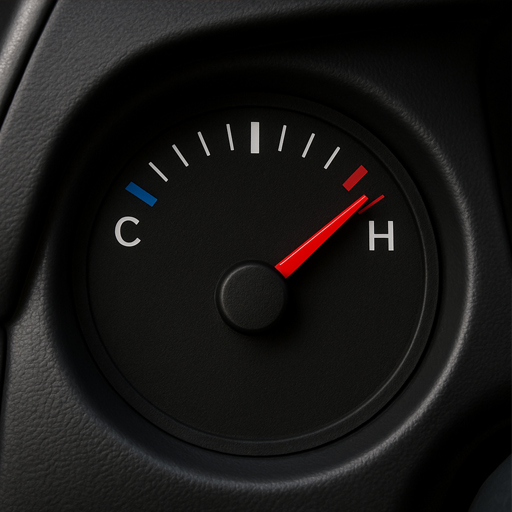
The vehicle temperature climbs rapidly when idling or sitting in traffic, but may stabilise once driving. You may also notice poor heater performance or steam from the expansion tank.
Possible Causes
– Poor antifreeze circulation due to a faulty water pump
– Blocked radiator or heater core
– Stuck thermostat
– Airlocks in the cooling system
– Head gasket leak introducing combustion gas and pressure
Diagnostic Steps
– Check if the radiator fan activates when the engine is hot.
– Observe the antifreeze for bubbling in the expansion tank.
– Feel the top and bottom radiator hoses — if one remains cold, the thermostat may be stuck.
– Use the Thermalweld Combustion Leak Test Kit to check for gases in the coolant.
– Squeeze the upper hose gently to feel for excess pressure during idle.
How Thermalweld Helps
If overheating is caused by combustion gases entering the coolant, Thermalweld can seal the source under idle heat and pressure. It is effective in idle-only treatments when driving is not possible, provided the system can maintain flow.
When to Apply the Second Thermalweld Treatment
– If overheating improves but isn’t fully resolved
– If idle treatment was incomplete due to interruptions
– After full support review to confirm flow is sufficient for continued treatment
When to Contact Tech Support
– Vehicle boils over during idle treatment
– Radiator fan or thermostat suspected to be faulty
– Conflicting symptoms or no temperature control
→ Support will help confirm root cause before applying further treatment.
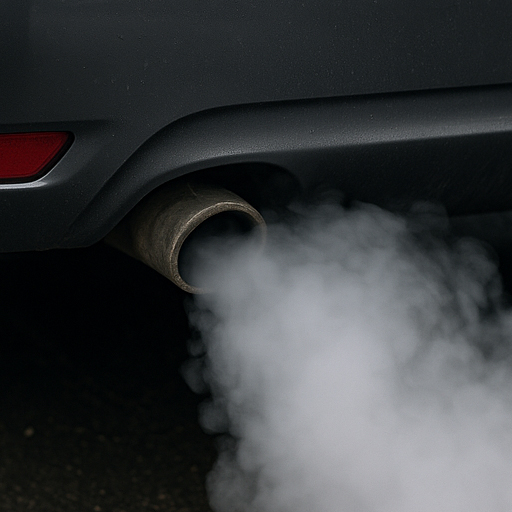
White Smoke from Exhaust
Thick white smoke or vapour comes from the exhaust, especially at cold start. It may have a sweet smell and continue for longer than normal condensation.
Possible Causes
– Antifreeze entering the combustion chamber via a head gasket leak
– Cracked cylinder head or block
– Intake manifold gasket failure
– Normal condensation if present only briefly at cold start
Diagnostic Steps
– Use the Thermalweld Combustion Leak Test Kit. If the indicator fluid changes from blue to yellow, combustion gases are present.
– Check if the heater blows hot. If it doesn’t, coolant may not be circulating, or airlocks are present.
– Look for steam or pressure release from the expansion tank cap (a sign of overpressurisation).
– Watch for bubbling immediately after cold start — if present, combustion gas is likely the cause.
How Thermalweld Helps
Thermalweld is formulated to seal leaks under pressure and heat, exactly like those causing bubbling. If combustion gases are confirmed and the system can circulate properly, Thermalweld has a very high success rate on this symptom.
When to Apply the Second Thermalweld Treatment
– If bubbling is reduced but still visible after first treatment
– If symptoms return after driving
– Only after full diagnostic support review
→ Do not use second half automatically without assessing circulation and heat
When to Contact Tech Support
– Bubbling continues immediately after idle cycle
– Heater doesn’t blow hot
– Antifreeze is foamy or milky
– Pressure builds up too fast to idle safely
→ Support can advise flushing, pressure testing, or confirm if a second treatment is appropriate
Heater blowing cold air even when engine is hot
If your engine is fully warm but the cabin heater stays cold, it usually means coolant isn’t circulating properly — often due to a hidden airlock, low coolant, or a blown head gasket disrupting flow.
Possible Causes
– There’s air trapped in the heater core (airlock)
– The coolant level is low, possibly due to a leak
– The thermostat is stuck closed or partially opening
– Combustion gases are entering the system and disrupting flow
Diagnostic Steps
– Set heater to full heat and fan to max
– Let engine fully warm up (observe temp gauge)
Feel both heater hoses under the bonnet:
– If one is cold, flow is blocked or interrupted
– Use the Thermalweld Combustion Leak Test Kit to check for gases in the coolant.
– Check antifreeze level in the expansion tank
– Look for bubbling or pressure build-up shortly after startup
– Use the Thermalweld Combustion Tester kit
How Thermalweld Helps
If the issue is caused by a gasket breach allowing gas into the cooling system, Thermalweld can seal the leak and restore flow to the heater matrix.
It is less likely to help if the issue is:
-A blocked heater core
-Low coolant due to an external leak
-Thermostat or pump failure
When to Apply the Second Thermalweld Treatment
If heat temporarily returns after the first treatment but fades again, do not apply the second half of the bottle on your own.
When to Contact Tech Support
– Set heater to full heat and fan to max
– No circulation to the heater core despite antifreeze being full
– Top and bottom radiator hoses show major temperature difference
– Combustion test confirms exhaust gases in the system
– Unsure if you’re ready to continue the repair process
Milky SLudge on oil cap or dipstick
If you see a creamy, mayonnaise-like substance on the underside of your oil cap or dipstick, it’s often a sign that antifreeze is mixing with engine oil — usually due to a failed head gasket.
Possible Causes
– Coolant leaking into the oil system, typically from a blown head gasket
– Can also occur from short journeys or condensation in colder weather.
– In more severe cases, may indicate a cracked cylinder head or engine block
Diagnostic Steps
– Remove the oil cap and inspect the underside
– Check your dipstick for milky residue or changes in oil texture
– Monitor oil level for sudden increase (coolant contamination)
– Look for signs of overheating, misfiring, or loss of coolant
How Thermalweld Helps
If the coolant-oil mix is caused by a small head gasket breach, Thermalweld can seal the failure point and prevent further coolant intrusion.
However, if the engine has already suffered significant coolant-oil mixing, you must change the oil and filter first before applying Thermalweld.
It cannot reverse damage already done to the lubrication system.
When to Apply the Second Thermalweld Treatment
If oil contamination returns after the first treatment, do not use the second half without tech support advice.
Using the second half without a clear diagnosis may invalidate your money-back guarantee.